The Complete Guide to Water Heater Replacement for Homeowners
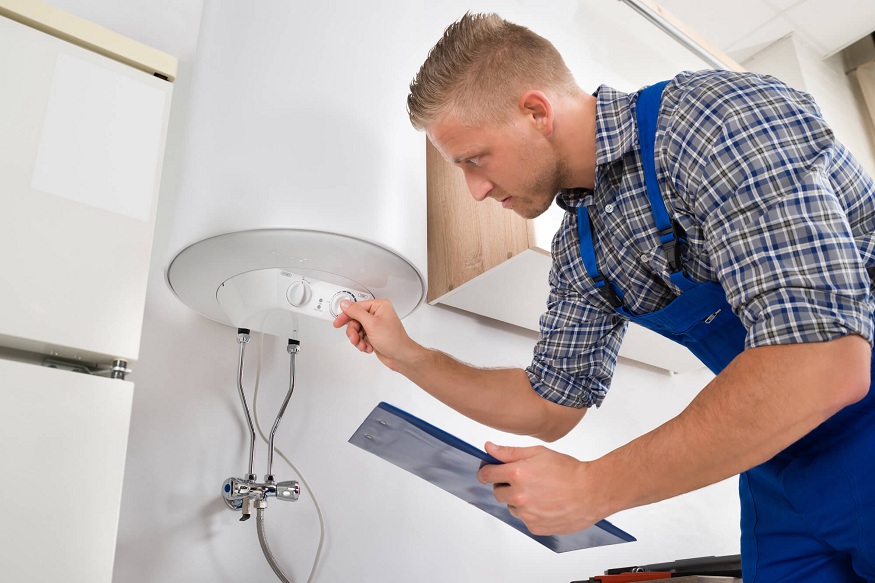
Few household systems are as essential as your water heater. From morning showers to washing dishes and doing laundry, hot water plays a quiet but critical role in daily life. When the system starts to fail, the inconvenience can quickly turn into frustration.
Understanding when and how to approach water heater replacement helps homeowners avoid emergencies, manage costs, and improve overall efficiency. This guide walks you through the signs of failure, replacement options, installation considerations, and how your water heater connects to other plumbing systems in your home.
Why Water Heater Replacement Matters More Than You Think
A failing water heater does more than deliver cold water. It can increase energy bills, damage flooring, affect water quality, and even create safety risks. Many homeowners delay water heater replacement because the unit still produces some hot water. However, waiting too long can lead to leaks or tank rupture.
Replacing an aging unit at the right time offers several benefits:
Improved energy efficiency
More consistent hot water supply
Reduced risk of water damage
Lower long term maintenance costs
Planning ahead allows you to choose the right system instead of rushing into an emergency decision.
How Long Does a Water Heater Typically Last
Most traditional tank water heaters last between eight and twelve years. Tankless models may last longer, sometimes up to twenty years with proper maintenance. Factors that influence lifespan include water quality, usage levels, installation quality, and routine maintenance.
Read More:
Hard water with high mineral content can cause sediment buildup inside the tank. Over time, this buildup reduces efficiency and increases wear on components. Regular flushing may extend lifespan, but no system lasts forever.
If your unit is approaching or exceeding its expected service life, it may be time to consider water heater replacement before problems escalate.
Warning Signs That Indicate It Is Time to Replace
Homeowners often notice subtle warning signs before a complete failure occurs. Recognizing these early indicators can help prevent unexpected breakdowns.
Common signs include:
Inconsistent water temperature
Rust colored water
Unusual noises such as popping or rumbling
Water pooling around the base of the unit
Reduced hot water supply
Rumbling sounds often signal sediment buildup at the bottom of the tank. Rust colored water may indicate corrosion inside the tank, which can eventually lead to leaks. If you see water collecting around the base, immediate action is necessary to prevent damage to floors and nearby structures.
Choosing the Right Type of Water Heater
When planning water heater replacement, homeowners must choose between several system types. Each option has advantages depending on household size, energy preferences, and budget.
Storage tank systems remain popular because they are straightforward and cost effective. They store heated water in a tank and release it when needed. However, once the stored water runs out, you must wait for it to reheat.
Read More:What is the Best Water Filtering Method?
Tankless systems heat water on demand. They provide a continuous supply of hot water and are generally more energy efficient. While the upfront cost may be higher, the long term savings can offset the initial investment.
Heat pump water heaters use electricity to move heat rather than generate it directly. They are highly efficient but require specific installation conditions.
Selecting the right system depends on your household water usage, available space, and long term goals.
Sizing Your New Water Heater Correctly
Proper sizing is essential during water heater replacement. An undersized unit may struggle to meet demand, while an oversized system wastes energy.
For tank systems, capacity is measured in gallons. A family of four typically requires a tank between forty and fifty gallons, though actual needs vary based on usage patterns.
Tankless systems are sized according to flow rate and temperature rise. A professional assessment ensures that the new unit can handle simultaneous showers, appliance use, and other hot water demands without interruption.
Energy Efficiency and Long Term Savings
Modern systems are designed with improved insulation and advanced heating technology. Upgrading during water heater replacement can significantly reduce monthly utility bills.
Energy efficient models often include:
Better tank insulation
High efficiency burners
Smart temperature controls
Lower standby heat loss
Although energy efficient units may cost more initially, reduced energy consumption provides savings over time. Many homeowners find that the investment pays for itself within several years.
Installation Considerations and Professional Expertise
While some home improvement tasks can be done independently, water heater replacement typically requires professional installation. Proper connections to gas lines, electrical wiring, and water supply systems are critical for safety and performance.
Read More:10 Best LED Light Brands in India (2026 Comprehensive Guide)
Incorrect installation can lead to leaks, gas hazards, or electrical issues. Professional installers ensure compliance with local building codes and manufacturer guidelines.
In some cases, replacing a water heater may reveal related plumbing concerns. For example, corroded pipes or outdated valves may need attention to ensure optimal performance.
The Connection Between Water Heaters and Overall Plumbing Health
Your water heater does not operate in isolation. It works alongside your home plumbing network, including supply lines and drainage systems.
If you experience recurring plumbing issues such as slow drains or backups, these may indicate deeper problems. For instance, if sediment buildup is severe, it can affect drainage and lead to the need for sewer line repair.
Sewer line repair addresses blockages, cracks, or root intrusion in the main drainage pipe. While separate from water heater replacement, both services contribute to a healthy plumbing system. Addressing underlying plumbing concerns at the same time can prevent future disruptions.
Cost Factors to Consider
The cost of water heater replacement varies based on several factors:
Type of system selected
Size and capacity
Installation complexity
Local labor rates
Additional plumbing upgrades
Tank systems generally cost less than tankless models. However, installation of a tankless system may require electrical upgrades or gas line modifications, increasing overall expense.
It is important to consider not only the purchase price but also long term operating costs and potential maintenance savings.
Preparing Your Home for Replacement
Before installation day, homeowners can take a few simple steps to streamline the process. Clear the area around the existing unit to provide easy access. Ensure that pets and children are kept away from the workspace.
Discuss disposal of the old unit with your installer. Many professionals include removal and recycling as part of their service.
Once installed, ask about maintenance recommendations. Regular flushing and inspection can extend the lifespan of your new system.
Maintaining Your New Water Heater
After completing water heater replacement, proper maintenance protects your investment. Annual inspections help identify small issues before they become major problems.
Recommended maintenance steps include:
Flushing the tank to remove sediment
Checking the pressure relief valve
Inspecting for leaks
Monitoring water temperature settings
Staying proactive reduces the likelihood of unexpected breakdowns and extends system life.
When to Combine Plumbing Upgrades
Some homeowners choose to upgrade additional plumbing components during water heater replacement. If your home has aging pipes, inconsistent water pressure, or drainage concerns, it may be cost effective to address these issues simultaneously.
For example, if a plumbing inspection reveals root intrusion or pipe damage, scheduling sewer line repair alongside your new water heater installation can minimize labor costs and future disruptions.
Taking a comprehensive approach to plumbing upgrades ensures that all systems function efficiently together.
Final Thoughts: Investing in Comfort and Reliability
Hot water is something most homeowners take for granted until it is gone. Planning water heater replacement at the right time prevents cold showers, property damage, and emergency expenses.
By understanding warning signs, exploring system options, and investing in professional installation, you can enjoy consistent performance and improved efficiency for years to come. At the same time, maintaining awareness of related plumbing systems, including the potential need for sewer line repair, ensures that your entire home infrastructure remains strong and dependable.
Replacing your water heater is more than a repair. It is an opportunity to upgrade comfort, efficiency, and peace of mind for your household.
10 Best LED Light Brands in India (2026 Comprehensive Guide)
Why Commercial Renovation Projects Need Waterproof Industrial Power Stations
Best Alkaline Water Purifier for Home: Choose Pure & Safe Drinking Water
About Author
