
Joe Cianciotto Sheds Light on the Features, Principles, and Importance of Green Buildings
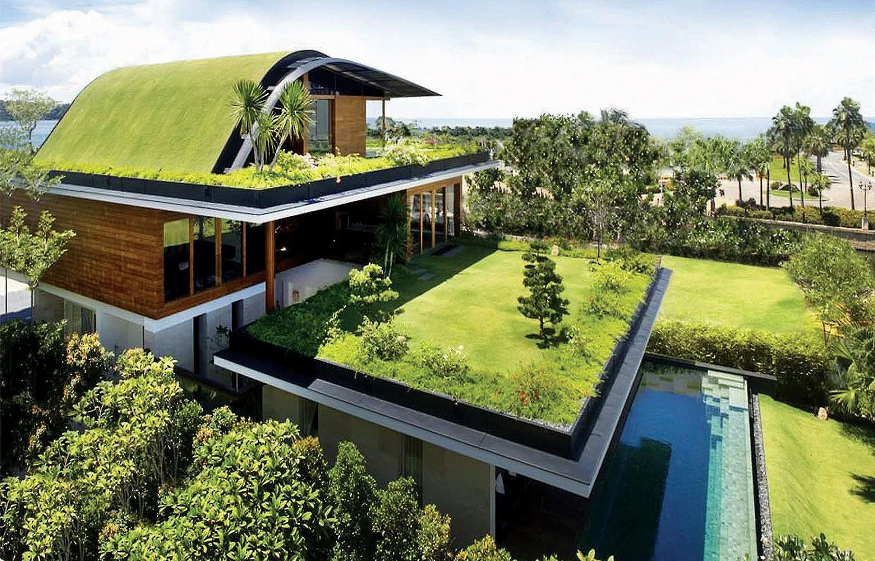
Green buildings have emerged as a prominent solution for mitigating the impact of urbanization in the face of rapidly rising environmental challenges and resource scarcity. As Joe Cianciotto points out, the adoption of sustainable practices in construction has become critical, as climate change emerges as among the most pressing issues globally. In addition to reducing environmental damage, green buildings also help improve the quality of life of their occupants.
Joe Cianciotto provides an insight into the features, principles, and importance of green buildings
At its core, green buildings refer to the practice of designing, constructing, and operating buildings in a manner that is resource-efficient and environmentally responsible. Following such an approach helps reduce the negative impact of buildings on the environment, as well as human health. It typically involves the use of energy-efficient systems, sustainable materials, and eco-friendly practices throughout the lifecycle of a building, right from the stage of design and construction to its operation, and eventual demolition.
Green buildings are typically designed to be more energy-efficient, minimize harmful emissions, reduce waste, and conserve water. A building is considered to be “green” when it incorporates diverse eco-friendly practices, like the implementation of water-saving systems, the use of renewable energy sources, and more. The combination of environmental consciousness, energy management, and sustainable design is among the key aspects that make green buildings stand out.
Here are some of the major principles and features of green buildings:
- Energy efficiency: Reducing energy consumption is usually the central principle of green buildings. This goal is achieved by using energy-efficient technologies like smart thermostats, high-performance insulation and LED lighting, along with passive design strategies, like maximizing ventilation and natural light.
- Sustainable materials: Eco-friendly materials like sustainably sourced wood and low-VOC paints are commonly used in green buildings to minimize the environmental impact of construction.
- Water conservation: Efficient irrigation methods, rainwater harvesting systems, and water-saving fixtures are used by green buildings to lower water usage and conserve this resource.
- Indoor environmental quality: By using non-toxic materials, ensuring proper ventilation, and maximizing natural light, green buildings create a healthy, comfortable indoor environment. This building practice prioritizes the health and well-being of the occupants.
- Waste reduction: The concept of green building aims at minimizing waste during both construction and operation, and facilitates the recycling and reuse of materials wherever possible.
As JoeCianciotto mentions, the importance of green building cannot be overstated, particularly in the context of the current global environmental crisis. Traditional buildings tend to be energy-intensive and resource-depleting and hence lead to considerable environmental degradation. Green buildings, on the other hand, benefit the environment in several ways. These buildings optimize the use of precious natural resources like energy and water. Buildings account for a large percentage of the global energy consumption and greenhouse gas emissions. Adopting green building practices considerably lowers these emissions and can help combat the impact of climate change.
Green buildings also contribute to improved indoor air quality, natural lighting, as well as overall comfort for occupants, which leads to better physical and mental health. Even though green buildings may have relatively high initial costs, they do provide considerable long-term savings in energy bills, maintenance, and operational costs, which makes them a financially viable option.

Understanding the Best of Electric Installation

5 Incredible Benefits of Hiring a Professional Landscaper

Looking for Quality with Industrial Insulation
About Author
