
Heat Pumps vs Traditional Heating Systems: Which is More Cost-Effective in the Long Run?
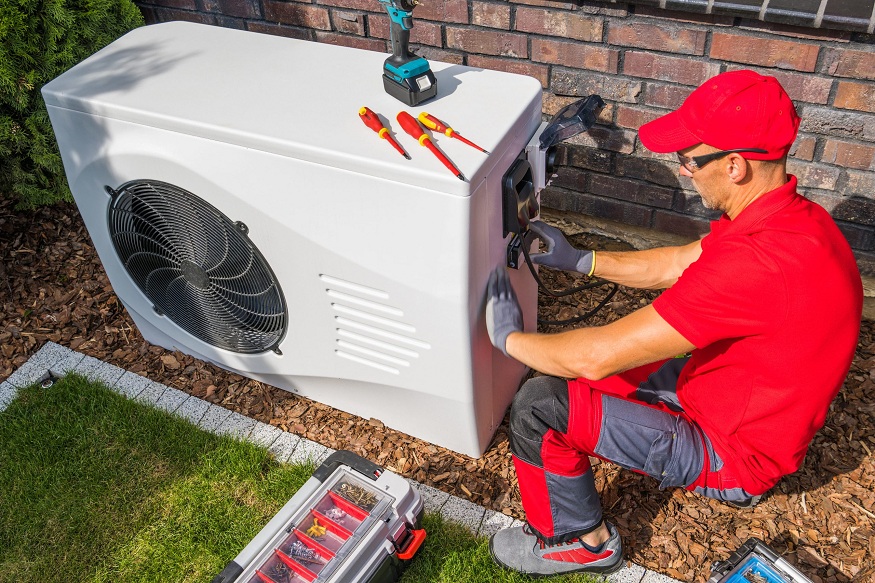
With energy prices rising and sustainability becoming a real concern, many homeowners are rethinking how they heat their spaces. Traditional options like gas furnaces, oil boilers, and electric heaters are familiar and often cheaper to install. But their higher running costs and ongoing maintenance can add up over time. Heat pumps, on the other hand, use energy more efficiently by moving heat rather than generating it, helping reduce monthly bills and long-term expenses. While they may cost more upfront, heat pumps are increasingly proving to be the more cost-effective solution over the years.
How Heat Pumps and Traditional Heating Systems Work
Traditional heating systems generate heat by burning fuel (gas or oil) or using electricity to create heat directly. The warmth is then distributed through ducts or radiators. These systems are straightforward but energy-intensive, as they rely on continuous fuel consumption to produce heat.
Heat pumps, on the other hand, work differently. Instead of generating heat, they transfer heat from the outside air, ground, or water into the home. Even in colder climates, heat pumps can extract usable heat and move it indoors using electricity. This fundamental difference plays a major role in long-term cost efficiency.
Factors That Shape the Choice Between Heat Pumps and Traditional Heating Systems
- Initial Installation Costs
When comparing upfront expenses, traditional heating systems usually have the advantage. Gas or electric heaters typically cost less to purchase and install, especially if the home already has compatible infrastructure like gas lines or ductwork.
Heat pumps generally require a higher initial investment. Installation can be more complex, particularly for ground-source systems or homes without existing ducting. However, this higher upfront cost is often offset by significantly lower operating expenses over the system’s lifetime.
- Energy Efficiency and Running Costs
This is where heat pumps stand out. Traditional electric heaters convert one unit of electricity into roughly one unit of heat. Gas and oil systems lose a portion of energy through combustion and exhaust.Heat pumps can deliver three to four units of heat for every unit of electricity consumed, thanks to heat transfer rather than heat generation. As a result, monthly energy bills are typically much lower with heat pumps, especially in regions with moderate climates or high electricity efficiency. - Maintenance and Lifespan
Traditional heating systems involve combustion, which means more wear and tear. Components such as burners, heat exchangers, and flues require regular inspection and servicing. Fuel-based systems may also face issues like corrosion or soot buildup.Heat pumps have fewer moving parts exposed to extreme heat, resulting in lower maintenance requirements. Routine servicing is still necessary, but overall maintenance costs tend to be lower. - Fuel Price Stability and Future Costs
Another key factor is fuel price volatility. Gas and oil prices can fluctuate significantly due to global market conditions, directly affecting heating costs. Electricity prices are generally more stable and increasingly supported by renewable energy sources. - Environmental Impact and Indirect Savings
While not always considered a direct cost, environmental impact can influence long-term expenses. Heat pumps produce fewer emissions and align with stricter energy regulations. Homes with efficient, low-emission heating systems often enjoy higher property value and easier compliance with future standards, avoiding costly upgrades later.
Conclusion
Although traditional heating systems may appear more affordable at the start, their higher energy consumption, frequent maintenance, and dependence on fluctuating fuel prices raise long term costs. Heat pumps, despite a higher initial investment, offer greater efficiency, lower operating expenses, and future readiness, making them a smarter and more cost effective heating choice over time.

10 Best LED Light Brands in India (2026 Comprehensive Guide)

Top Reasons to Hire a Licensed Electrician-Round-Rock for Your Electrical Needs

The Complete Guide to Water Heater Replacement for Homeowners
About Author
