How Poor Plumbing Can Affect Indoor Air Quality
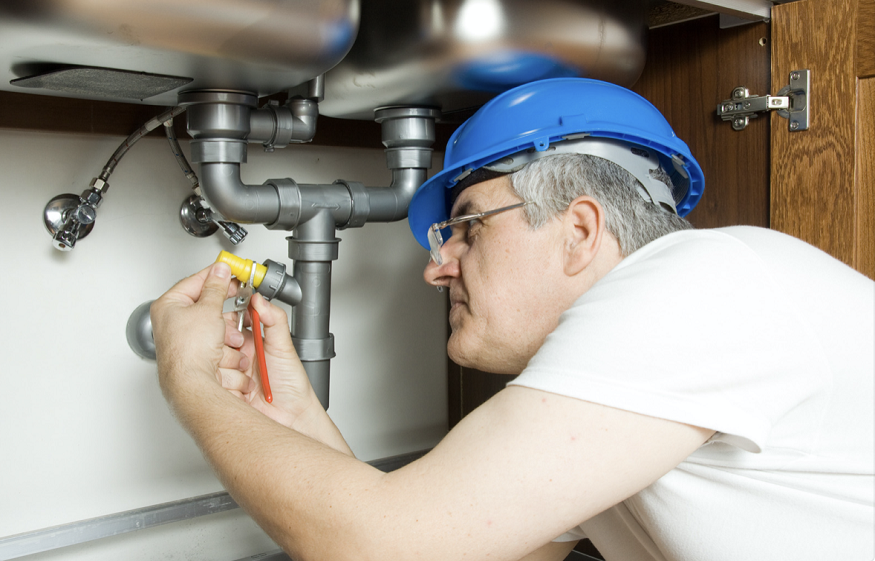
The quality of the air inside your home is very important for keeping a healthy home setting. While many homeowners focus on ventilation, air filters, and cleaning routines, plumbing is often overlooked as a contributing factor. Poor plumbing conditions can introduce harmful contaminants into the air, leading to health issues and long-term damage to the home. Understanding how plumbing problems impact indoor air quality helps homeowners take preventive action before issues worsen.
The Connection Between Plumbing and Indoor Air Quality
Plumbing is made to safely carry water and trash out of the house. When pipes, drains, or fixtures fail to function properly, moisture and sewer gases can escape into living spaces. These elements directly affect the air you breathe. Excess moisture promotes mold growth, while sewer gases release unpleasant odors and potentially harmful airborne particles. Over time, these issues reduce overall indoor air quality and create an unhealthy environment.
Moisture Buildup and Mold Growth
One of the most common ways poor plumbing affects indoor air quality is through moisture buildup. Leaking pipes, dripping faucets, and hidden water damage behind walls or under floors create damp conditions. Mold thrives in these environments and releases spores into the air. Allergies, breathing discomfort, and asthma symptoms can all be caused by breathing in mold spores. Even small leaks that go unnoticed can support mold growth over time, making early detection essential.
Sewer Gas Leaks and Unpleasant Odors
Plumbing that works properly uses vents and traps to keep sewer gases from getting into the house. When these parts are broken or not put together correctly, gases like methane and hydrogen sulfide can get inside. These gases cause strong odors and may lead to headaches, nausea, and dizziness when inhaled regularly. Poor indoor air quality caused by sewer gas exposure can make living spaces uncomfortable and unsafe.
Clogged Drains and Bacterial Growth
Clogged or slow drains can contribute to poor air quality by allowing bacteria to grow inside pipes. Organic waste trapped in drains creates an ideal breeding ground for microbes. As bacteria multiply, they release odors and airborne contaminants that circulate through the home. Kitchen and bathroom drains are especially vulnerable, making regular drain maintenance an important step in protecting indoor air quality.
Aging Pipes and Hidden Damage
Older plumbing systems often develop cracks, corrosion, and joint failures that are not immediately visible. These issues allow moisture and contaminants to escape into walls and ceilings. Over time, this hidden damage affects both structural integrity and air quality. Dust, mold spores, and bacteria can enter the air through damaged materials, increasing the risk of respiratory issues for occupants.
Impact on Health and Comfort
Poor indoor air quality caused by plumbing problems can lead to persistent coughing, allergies, sinus irritation, and fatigue. Individuals with asthma, young children, and elderly residents are particularly vulnerable. Beyond health concerns, unpleasant odors and excess humidity also reduce comfort levels and overall quality of life inside the home.
Preventive Maintenance and Professional Support
Routine plumbing inspections and timely repairs are the most effective ways to prevent air quality issues. Addressing leaks, clearing drains, and ensuring proper venting reduces moisture and blocks harmful gases from entering living spaces. Working with a qualified Plumber Houston TX ensures that plumbing systems meet safety standards and function efficiently, helping protect both indoor air quality and the home’s long-term value.
Conclusion
Poor plumbing does more than cause water damage. It directly affects the air you breathe every day. Leaks, mold growth, sewer gas exposure, and bacterial buildup all contribute to reduced indoor air quality and potential health risks. By recognizing the connection between plumbing and air quality, homeowners can take proactive steps to maintain a healthier living environment. Regular maintenance and professional inspections play a crucial role in keeping indoor air clean, safe, and comfortable for everyone in the home.
Five basic plumbing tools you need in your home
Which is Better- PPR or PVC Pipes?
Things To Know Aboutthe Blocked Drain Experts in Portsmouth
About Author
