
Insurance for Log Cabins in Summer: What UK Providers Look For
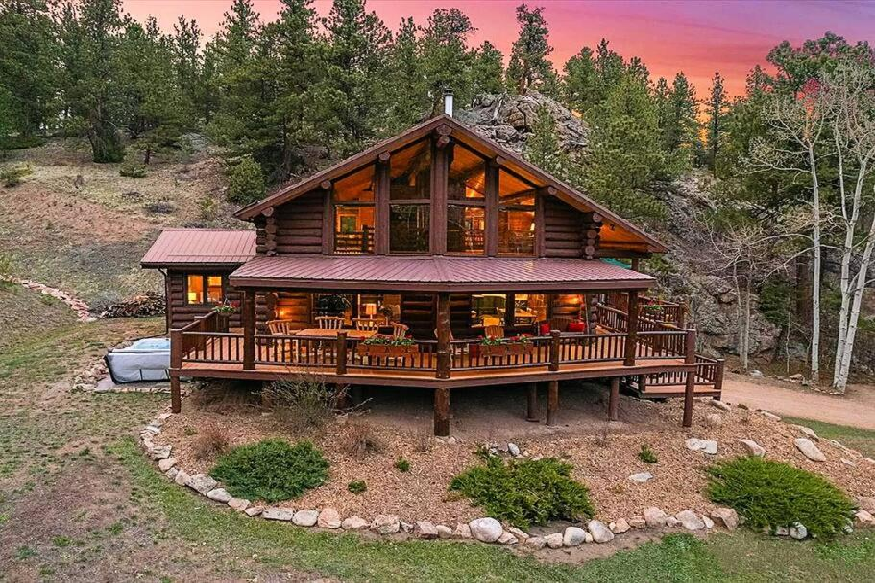
As garden buildings become more common and more versatile, insurance is an important consideration that is often overlooked. Summer is when cabins are used most frequently, increasing the risk of accidental damage, theft and weather-related issues. Whether your cabin is used for work, leisure or guests, understanding what insurers look for helps ensure you have the right level of protection.
This guide explains how insurance for log cabins typically works in the UK and what providers expect during the summer months.
Are Log Cabins Covered by Standard Home Insurance?
In some cases, a cabin may be covered under a standard home insurance policy, but this is not guaranteed. Many policies include outbuildings as standard, while others place limits on cover or exclude certain structures altogether.
Coverage often depends on factors such as size, construction, usage and value. Log cabins that are fully insulated, electrified or used regularly may require specialist cover or policy extensions.
Always check your policy wording carefully and inform your insurer about the presence of the cabin.
Why Summer Increases Insurance Risk
Summer brings higher usage, which naturally increases risk. Electrical equipment, outdoor furniture, barbecues and social gatherings all raise the chance of accidental damage or fire.
Hot weather can also affect timber, causing movement or drying if not properly treated. Sudden summer storms, heavy rain or high winds can damage roofs, felt and external finishes.
Insurance providers assess risk based on seasonal exposure, so summer preparation plays a role in maintaining valid cover.
How the Cabin Is Used Matters
Usage is one of the most important factors insurers consider. A cabin used occasionally for storage presents a different risk profile from one used daily as an office or rented to guests.
Log cabins used for business purposes, short-term lets or client-facing activities often require additional cover, such as public liability insurance. Failure to declare how the space is used can invalidate a policy in the event of a claim.
Transparency with your insurer ensures you are properly protected.
Security Measures Insurers Expect
Security is a major concern for insurers, particularly in summer when garden buildings may be left open or unattended for longer periods.
Providers typically look for:
- Lockable doors and windows
- Robust locking mechanisms
- Secure positioning within the property boundary
- Visible deterrents such as lighting or alarms
High-value items stored inside may also need to be listed separately on the policy. Improving security not only protects your belongings but can also reduce premiums.
Fire Safety and Risk Reduction
Fire risk is higher in summer, and insurers take this seriously. Electrical installations should be professionally installed and regularly checked. Overloaded sockets and damaged cables are common causes of claims.
If heaters, cooking equipment or electrical appliances are used, insurers expect them to be suitable for the space and used safely. Fire extinguishers and smoke alarms are often recommended and may be required for certain types of cover.
Applying fire-retardant treatments to timber can also be viewed favourably by some providers.
Weather Protection and Maintenance
Regular maintenance reduces the likelihood of claims and demonstrates responsible ownership. Insurers expect cabins to be kept in good condition, particularly during summer when exposure to sun and rain is highest.
This includes:
- Maintaining roof coverings
- Keeping gutters clear
- Applying protective wood treatments
- Ensuring good drainage around the base
Neglect can lead to claims being reduced or rejected, especially if damage results from poor upkeep.
Location and Construction Considerations
Where the cabin is located within the garden can affect insurance. Structures close to boundaries or trees may carry higher risk due to fire spread or falling branches.
Construction quality also matters. Well-built log cabins with solid foundations, proper insulation and quality materials are viewed as lower risk than temporary or poorly installed structures.
Providing accurate information about construction helps insurers assess cover correctly.
Contents and Valuation
Insuring the building itself is only part of the picture. Contents cover protects furniture, equipment and personal items inside the cabin.
It’s important to accurately estimate both building and contents value. Underinsurance can result in reduced payouts if you need to make a claim.
Keeping an inventory of items and updating valuations ensures your cover remains appropriate as usage changes.
When Specialist Insurance Is Needed
In some cases, specialist policies are the best option. This is particularly true for cabins used year-round, for business, or for guest accommodation.
Specialist providers understand the unique risks associated with timber buildings and can offer tailored cover that standard policies may not.
Insurance is a key part of responsible ownership, especially during summer when cabins are most exposed to risk. Providers look at usage, security, maintenance and safety when assessing cover.
By keeping your insurer informed and maintaining your cabin properly, log cabins can be protected effectively, giving you peace of mind and allowing you to enjoy your space throughout the summer and beyond.
Things to Consider When Choosing the Ideal Front Door
A Complete Manual to Basement Waterproofing- Method, Prices and More

Moixa: Brighten and Lighten Up your Every Day
About Author
