
The Outdoor Upgrades That Transform How You Use Your Home
Indoor renovations get most of the attention when homeowners think about improving their properties. New kitchens, bathroom updates, fresh paint throughout. These projects matter and they definitely change how a home feels. But outdoor improvements often deliver something different, something that actually expands how the property gets used rather than just making existing spaces nicer.
The right outdoor upgrades create functional living areas that didn’t really exist before. They turn underused yards into places where families actually spend time. They add usable square metres without the massive expense of building extensions. And when done properly, they increase property value while improving daily quality of life.
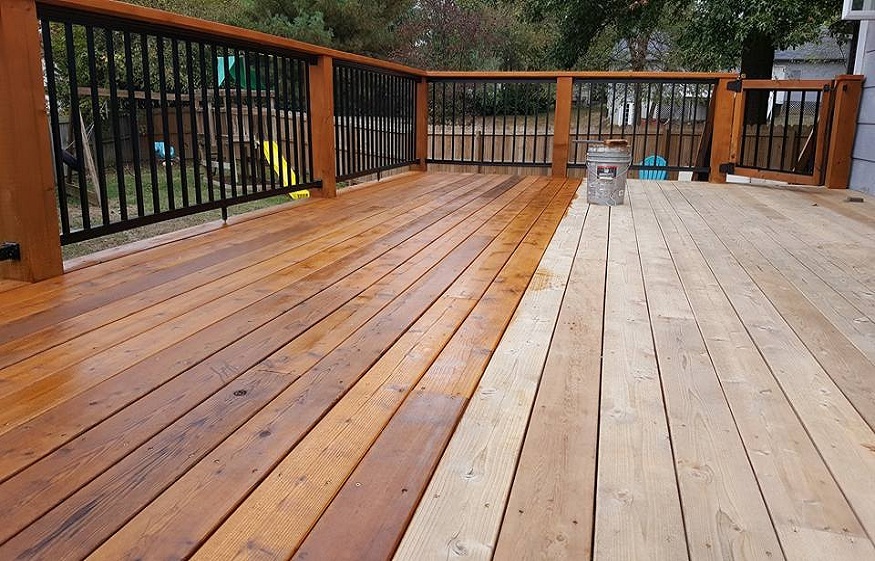
Bringing Weathered Outdoor Structures Back to Life
Most established homes have some form of outdoor entertaining space already in place. A deck, a patio area, maybe a pergola. The problem is these features often sit neglected for years, slowly deteriorating until they become eyesores rather than assets.
Weathered timber structures lose their appeal fast. What was once an attractive outdoor area becomes grey, splintery, and unwelcoming. Families stop using these spaces because they’re uncomfortable or look shabby. The entire backyard feels less functional as a result.
Professional restoration brings these areas back without the cost of complete replacement. Specialists in Deck Restoration Services handle the preparation, treatment, and sealing that returns weathered timber to a condition that looks and performs as good as new construction. The transformation can be dramatic, taking a space that’s been written off and making it the centrepiece of outdoor living again.
The value here goes beyond aesthetics. A properly restored outdoor entertaining area gets used. Families eat meals outside, kids play in the yard more, weekend gatherings happen naturally. The home’s effective living space expands significantly for a fraction of what adding a sunroom or extension would cost.
Covered Outdoor Areas That Work Year-Round
Australian weather makes fully exposed outdoor spaces less practical than they could be. Too hot in summer, wet during rainy periods, and generally less comfortable than they’d be with some form of cover or shade.
Adding a covered area changes the equation completely. A well-designed pergola with proper roofing creates outdoor space that works in almost any weather. Families can eat outside on hot days without getting scorched. Light rain doesn’t force everyone back inside. The space becomes genuinely usable rather than fair-weather only.
Modern pergola designs blend function with style. Pitched roofs provide proper weather protection while maintaining good aesthetics. Adjustable louvres allow control over sun exposure and airflow. Some systems incorporate lighting and heating elements that extend usability into cooler months.
The installation process matters enormously here. Poor construction means structures that leak, sag over time, or fail to meet building codes. Proper engineering ensures the pergola handles wind loads and weather exposure without issues. Quality materials mean the structure lasts decades rather than needing repairs within a few years.
Location and orientation make the difference between a pergola that gets constant use and one that sits empty. North-facing areas need different coverage than western exposures. The relationship between the covered space and existing doors, windows, and indoor living areas affects how naturally the outdoor zone integrates with daily routines.
Outdoor Kitchens and Built-In Entertaining Features
Taking cooking and food preparation outside fundamentally changes how entertaining works. Instead of the cook being isolated in the kitchen while guests gather elsewhere, everyone congregates in the same outdoor space. The dynamic shifts from formal entertaining to casual gathering.
Built-in barbecues, preparation benches, and storage create functional outdoor cooking zones. These don’t need to be elaborate or restaurant-grade to be effective. Even a simple built-in setup with a quality barbecue, some bench space, and weather-protected storage works far better than wheeling a portable barbecue around.
Outdoor sinks and plumbed connections elevate functionality further. Being able to wash vegetables, rinse plates, or fill pots without running back inside makes outdoor cooking genuinely practical rather than occasionally convenient. The plumbing work costs money upfront but pays off in usability.
Refrigeration and storage designed for outdoor use solve the constant back-and-forth problem. Having cold drinks, condiments, and ingredients accessible outside means less time fetching things from the indoor kitchen. Purpose-built outdoor units handle weather and temperature variations that would destroy standard appliances.
The key is matching the investment to actual usage patterns. A family that entertains weekly benefits from comprehensive outdoor kitchen setups. Occasional entertainers might do better with simpler arrangements. Overbuilding for rare use wastes money, while underbuilding for frequent use creates frustration.
Landscaping That Creates Outdoor Rooms
Strategic landscaping transforms open yards into defined spaces with different purposes. Instead of one big lawn, the property gains distinct zones for various activities. This approach makes outdoor areas feel more intentional and increases how much the yard actually gets used.
Garden beds and planting create natural boundaries without solid walls. These softer divisions maintain openness while giving each area its own character. A dining space feels separate from a kids’ play zone even though both exist in the same yard.
Paths and paved areas guide movement and connect different outdoor zones. They also solve the muddy-feet problem that keeps families inside during wetter months. Proper pathways mean outdoor spaces remain accessible and comfortable in conditions that would otherwise make them impractical.
Retaining walls and level changes add dimension to flat blocks. They create terraced areas that feel distinct from each other. A raised section becomes a natural spot for seating or dining. Lower areas work well for fire pits or water features.
Mature trees and established gardens take years to develop, which makes existing vegetation valuable. Working with what’s already there often produces better results than starting from scratch. Strategic additions and removals shape the space without waiting a decade for plants to grow.
Lighting That Extends Evening Use
Outdoor spaces without lighting become unusable after dark. Even in areas with good indoor light spill, visibility drops enough to make outdoor areas uncomfortable and potentially unsafe. Proper lighting extends the useful hours dramatically.
Ambient lighting creates general visibility without harsh glare. Well-placed garden lights, post lights, or soffit-mounted fixtures illuminate pathways and seating areas adequately for evening use. The goal is comfortable visibility rather than daylight brightness.
Task lighting over cooking areas, dining tables, and work zones provides focused illumination where it’s actually needed. These brighter zones sit within the softer ambient lighting, creating a layered effect that works better than trying to light everything uniformly.
Feature lighting highlights architectural elements, mature trees, or water features. This adds visual interest and depth to the outdoor space at night. The property looks intentional and designed rather than just adequately lit.
Control systems matter more than many homeowners expect. Being able to adjust lighting levels, turn zones on and off independently, or set automated schedules makes outdoor lighting practical for daily use. Fumbling with multiple switches or dealing with all-or-nothing illumination reduces how often the systems actually get used.
Making Outdoor Improvements That Last
The difference between outdoor upgrades that deliver long-term value and ones that become maintenance headaches comes down to quality of materials and installation. Outdoor elements face harsh conditions. Sun, rain, temperature swings, and constant exposure test everything.
Cheap materials fail fast in outdoor applications. That budget decking warps and splinters within a few years. Low-grade fasteners corrode and loosen. Inadequate weather protection leads to rot and deterioration. Spending a bit more upfront on appropriate materials pays off through decades of better performance.
Professional installation ensures things get built to proper standards. Structural elements need adequate support and fixing. Weather barriers go in the right places. Drainage gets addressed before problems develop. DIY approaches save money initially but often create issues that cost more to fix later.
Maintenance requirements should factor into upgrade decisions. Some outdoor features need regular care to stay functional and attractive. Others remain largely maintenance-free for years. Understanding what ongoing work different options require helps homeowners choose improvements that fit their willingness to do upkeep.
The most successful outdoor improvements are ones that actually get used. They suit how the household functions and match genuine needs rather than aspirational ideas about outdoor living. A family that rarely entertains doesn’t benefit from an elaborate outdoor kitchen. Households with young kids need durable, safe spaces more than showcase gardens.
Outdoor upgrades transform properties when they create genuinely functional spaces that expand how families use their homes. The best projects deliver both immediate enjoyment and long-term value, turning neglected yards into places where daily life actually happens.

How do I choose the best Ottoman beds?

Open Office Workstations vs Cubicles: Which Is Better in 2026?
Outdoor Patio Screen Repair Costs and Services Comparison
About Author
