
Warm vs Cool White LED Bulbs: Which Works Best for Each Room?
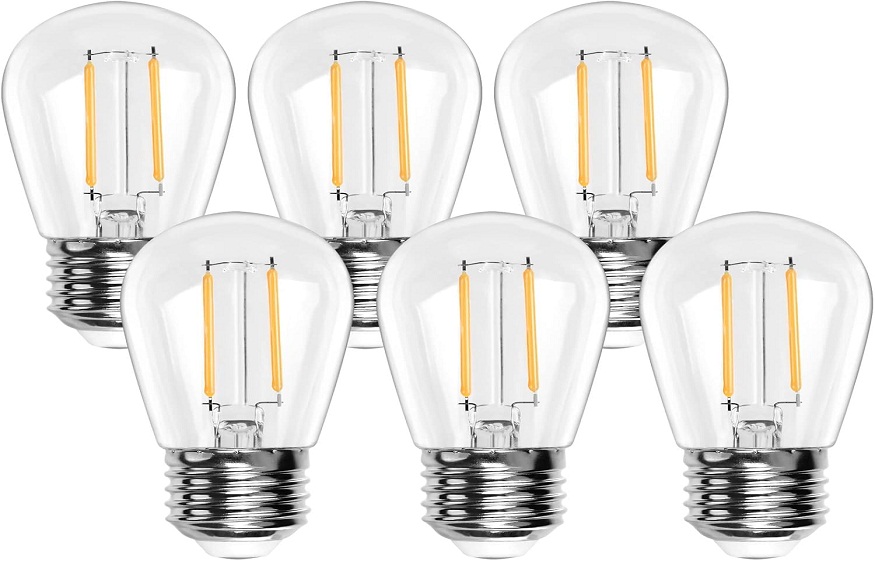
Lighting plays an important role in the comfort and functionality of a home. Modern LED bulbs come in different colour temperatures, mainly warm white and cool white, helping create the right lighting for each room.
Colour temperature is measured in Kelvin (K). Warm lighting ranges from 2700 K to 3000 K and produces a soft yellow tone, while cool white lighting ranges from 4000 K to 6500 K and provides brighter illumination for everyday activities.
Understanding Warm and Cool White LED Lighting
Before choosing lighting for different rooms, it is important to understand the difference between warm and cool lighting.
Warm White Lighting:
Warm lighting produces a soft yellow glow that creates a calm and comfortable atmosphere for relaxing spaces.
Common characteristics include:
Read More : Best Countertop Oven: Your Ultimate Guide to Efficient and Versatile Cooking
- Colour temperature between 2700K and 3000K
- Soft yellow or amber tone
- Comfortable lighting for the eyes
- Cosy and inviting atmosphere
It is commonly used in living areas and decorative fixtures such as table lamps, chandeliers, and candle bulbs.
Cool White Lighting:
Cool white lighting produces a brighter and clearer light with a slightly bluish tone. It helps improve visibility and is suitable for spaces where tasks and activities require more focus.
Key characteristics of cool lighting include:
- Colour temperature between 4000K and 6500K
- Bright white appearance
- Enhances visibility and clarity
- Supports focus and productivity
Cool lighting is often used in kitchens, bathrooms, and workspaces where stronger illumination is beneficial.
Why Colour Temperature Matters in Home Lighting?
The colour temperature of lighting affects how comfortable and functional a room feels.
Some important reasons colour temperature matters include:
- Atmosphere creation – Warm lighting creates a relaxing environment while cool lighting promotes alertness.
- Better visibility – Cool lighting improves clarity for tasks such as cooking, reading, or grooming.
- Interior aesthetics – Lighting influences how colours, textures, and décor appear within a room.
- Energy efficiency – Modern LED lighting provides bright illumination while consuming less energy.
Choosing the right lighting for each room helps create balanced and comfortable spaces throughout the home.
Best Rooms for Warm LED Light Bulbs
Warm lighting is most suitable for areas where relaxation, comfort, and ambience are important.
Living Room: The living room is often the central gathering area of the home. Soft lighting helps create a welcoming and relaxing environment.
Warm lighting works well in living rooms because it:
- Encourages relaxation and social interaction
- Creates a cosy evening atmosphere
- Enhances furniture and décor with softer tones
Lighting options for living rooms may include:
- Warm LED bulbs for home in ceiling fixtures
- Table lamps and floor lamps
- Decorative wall lighting
- Chandeliers or pendant lights using candle bulbs
Warm lighting helps create a comfortable setting for family gatherings and everyday relaxation.
Bedroom: The bedroom is a space designed for rest and relaxation. Warm lighting supports a calming environment that helps prepare the body for sleep.
Benefits of warm lighting in bedrooms include:
- Creates a peaceful atmosphere
- Reduces harsh brightness at night
- Supports a relaxing routine
Lighting ideas include bedside lamps with warm LED bulbs for the home, soft ceiling lighting, and decorative wall lights, helping create a calm and restful bedroom environment.
Dining Room: Dining rooms benefit from lighting that feels inviting and pleasant. Warm lighting helps enhance the dining experience and encourages relaxed conversations.
Warm lighting is ideal because it:
- Creates a welcoming dining atmosphere
- Highlights the natural appearance of food
- Supports social interaction during meals
Many dining rooms use decorative chandeliers or pendant fixtures with candle bulbs to create elegant and warm lighting above the dining table.
Best Rooms for Cool White LED Lighting
Some areas of the home require brighter lighting that improves visibility and supports daily activities. Cool white lighting is well-suited for these spaces.
Kitchen: The kitchen is one of the busiest areas of a home, where proper lighting is essential for cooking and food preparation.
Cool white lighting is helpful because it:
- Improves visibility on kitchen counters
- Makes food preparation safer and easier
- Creates a clean and modern kitchen appearance
Common lighting options include:
- Ceiling lights with LED bulbs for the home
- Under-cabinet lighting
- Task lighting near preparation areas
Bright lighting ensures that cooking tasks can be performed comfortably and safely.
Bathroom: Bathrooms require lighting that provides clear visibility for grooming tasks.
Cool white lighting works well in bathrooms because it:
- Reduces shadows around mirrors
- Improves clarity for grooming and skincare routines
- Makes the space appear brighter and cleaner
Many bathrooms use cool ceiling lighting along with additional lighting near mirrors to improve visibility.
Study Room or Home Office: Study rooms and home offices benefit from lighting that supports concentration and productivity.
Cool lighting helps by:
- Improving focus during reading or computer work
- Providing brighter illumination for detailed tasks
- Reducing strain while working for longer periods
Desk lamps and ceiling fixtures using cool LED bulbs for the home are often used to maintain a well-lit workspace.
Using Candle Bulbs for Decorative Lighting
Decorative lighting enhances the visual appeal of interiors. Candle bulbs are commonly used in chandeliers, wall lights, and decorative fixtures.
They are popular because they:
- Resemble traditional candle shapes
- Enhance decorative lighting designs
- Provide soft ambient illumination
Warm LED candle bulbs work well in living rooms, dining areas, and hallways where atmosphere and style are important.
Combining Warm and Cool Lighting in a Home
Many homes benefit from using both warm and cool lighting. This approach, often called layered lighting, allows different lighting types to serve different purposes.
Read More : The Complete Guide to Water Heater Replacement for Homeowners
Examples of layered lighting include:
- Warm lighting for overall ambient lighting
- Cool lighting for task-focused areas
- Accent lighting to highlight décor or architectural features
By combining different lighting layers, homeowners can create flexible lighting arrangements that support both functionality and visual comfort.
Tips for Choosing the Right LED Bulbs for Home
Choosing the right lighting becomes easier by considering a few practical factors.
Helpful tips include:
- Check the Kelvin rating for colour temperature
- Use warm lighting for relaxing spaces
- Use cool lighting for task areas
- Add decorative fixtures with candle bulbs
- Maintain consistent lighting tones within a room
These steps help keep lighting comfortable, functional, and visually balanced throughout the home.
Choosing the right lighting helps create comfortable and functional interiors. Warm LED light bulbs create relaxing environments, making them suitable for living rooms, bedrooms, and dining areas. Cool lighting offers brighter illumination that improves visibility in kitchens, bathrooms, and workspaces.
Selecting the right LED bulbs for the home helps balance comfort and functionality. Decorative options like candle bulbs also enhance interiors by adding warmth and elegance to lighting designs.

Hire An Electrician In Melbourne For Quality Services

Is Hiring A Professional Pest Control Service Worth-It?

Are Leather Couches Still In Style?
About Author
