Understanding Maintenance Needs for Residential Plumbing and Water Systems
Home systems operate through a series of interconnected components that gradually experience wear as they work to provide daily convenience. While these systems are designed for durability, the reality of consistent usage, mineral content in water, and the natural aging of materials means that performance levels can shift over time. Proactive attention to these systems is often a matter of managing their long-term health rather than responding to sudden issues after they have escalated.
Assessing the Early Signs of Plumbing Strain
Plumbing systems often provide subtle indicators that suggest the internal environment is changing. Homeowners might notice that sinks or tubs drain with less speed than they once did, or perhaps there is a distinct sound of gurgling in the pipes that was previously absent. These signs are generally not cause for immediate alarm, but they represent a shift in the system’s efficiency.
In many cases, the accumulation of organic material or mineral deposits creates a narrowing of the interior pipe diameter. When water is forced through a reduced space, the velocity of the flow changes, which can impact the seals and joints within the system. Understanding these shifts allows for a more measured response. Instead of waiting for a total obstruction, recognizing these early cues provides an opportunity to consult a drain cleaning company in Denver to discuss routine maintenance. Simple camera inspections, for instance, can often reveal the state of interior plumbing without requiring invasive procedures, helping homeowners make informed decisions about their home maintenance schedule.
How Routine Care Changes the System’s Lifecycle
As components like pipes and valves continue to handle daily water flow, their integrity is tested by the minerals present in the local water supply. In some regions, this mineral content is high, leading to a steady buildup of scale along the pipe walls. This process is not unlike the gradual buildup of sediment in other water-using appliances.
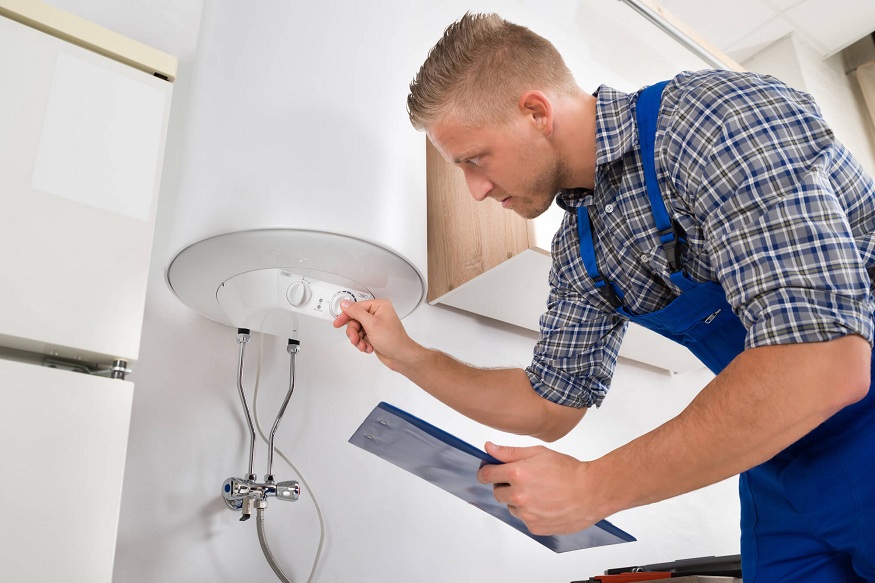
When homeowners prioritize regular upkeep, they are essentially managing the environment in which their pipes and connections exist. One significant concern in many households is the health of the water heater replacement cycle. When sediment builds up inside a water heater, the unit must work harder to heat the same volume of water, which can contribute to premature wear on heating elements or tank linings. By regularly flushing the system and ensuring that the water pressure remains within an appropriate range, residents can often extend the period between major repairs. The objective is to maintain a balance where the system is not constantly operating under the stress of accumulation or excessive pressure, which contributes to its long-term reliability.
Read More: Drain cleaning and the realities of residential maintenance
Recognizing When Adjustments to Maintenance Are Required
Progress in a home’s utility health is often measured by the absence of emergencies, but there are times when the system may require a more specialized intervention. If a household finds that they are frequently using temporary methods to clear slow lines, or if the water pressure seems to fluctuate inexplicably throughout the day, it is typically a sign that the current maintenance routine may no longer be sufficient for the system’s needs.
A thoughtful approach involves evaluating whether the current methods—such as basic cleaning or standard filter changes—are truly addressing the underlying cause of the performance decline. For example, if tree roots are a potential factor in a home’s exterior sewer lines, standard interior cleaning will not provide a lasting result. During these phases, it is beneficial to ask a service provider about the specific mechanisms that might be causing the strain. Are the pipes showing signs of age-related degradation? Is the regional water chemistry playing a larger role than previously considered? Asking these questions helps bridge the gap between reactive maintenance and a structured, long-term care plan.
Sustaining System Performance for the Long Term
The long-term reliability of residential water and plumbing systems relies on a consistent strategy rather than intermittent efforts. Sustaining results over many years often involves creating a baseline of health through regular check-ups, which might include professional inspections or scheduled cleanings tailored to the specific needs of the property.
Read More: How to Design a Hassle-Free Pool Maintenance Routine That Fits Your Busy Schedule
Focusing on the long-term picture means moving beyond the immediate need to resolve a clog or a slow-draining sink. It involves looking at the home as a functional unit where pipes, heaters, and delivery systems work in concert. When residents take the time to learn how their specific system behaves—what sound is normal, what pressure feels consistent, and how the system responds to seasonal changes—they become better equipped to spot deviations early. Working with professionals who can provide a clear view of the system’s condition allows for a partnership based on transparency and foresight. This relationship ensures that the focus remains on preventative health, which is generally more sustainable and effective than addressing issues only when they reach a critical state. Ultimately, a well-maintained plumbing and water system provides a quiet, reliable foundation for the home, ensuring that the necessary infrastructure remains in the background, exactly where it belongs.

Nine Reasons to Sell Your House for Cash

How to sell your house fast for the right price?

5 Tips to Improve Your Home
About Author
