
How to Create a Preventative Property Maintenance Plan That Saves Thousands
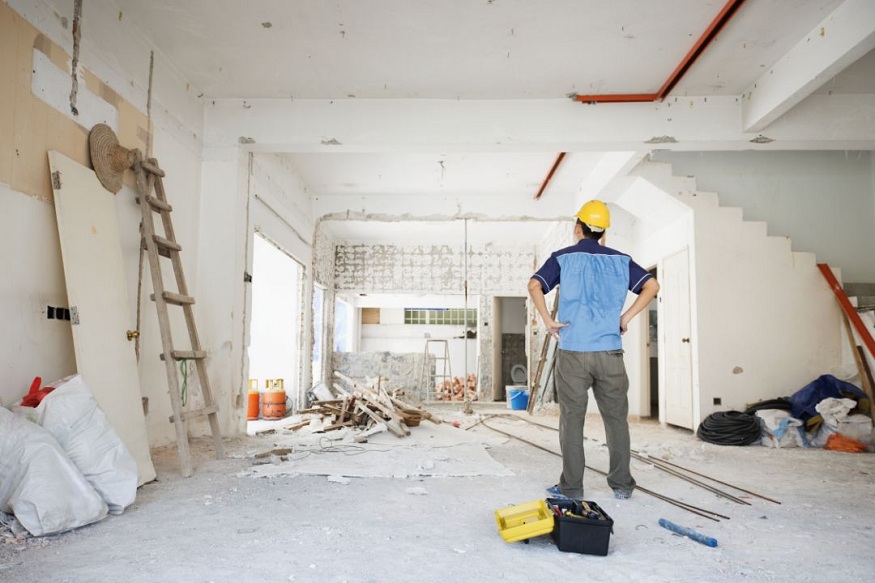
Many homeowners view maintenance as something to be avoided at all costs, when in fact, it’s an essential part of responsible homeownership. A small investment in regular maintenance can prevent much larger, costlier repairs down the line. The solution is not to stress more about potential problems, but to create a solid maintenance plan and budget and stick to it.
Maintenance is an investment, not an expense
People usually associate the term “maintenance” with expenses they prefer to avoid. This is why many homeowners postpone maintenance until something goes wrong. However, if you change your perspective, every dollar you invest in regular maintenance helps safeguard an asset that’s likely worth hundreds of thousands of dollars more than the cost of repairs.
When you put off maintenance, the issues don’t go away. For instance, a blocked gutter will not remain blocked, it will turn into accumulated water against the fascia, then damage the timber, and soon you’ll end up replacing the entire fascia and gutter, which will cost way more than the $150 cleaning. Minor problems tend to escalate. This is precisely why you need a preventive maintenance schedule – to stop these problems from escalating in the first place.
Set the budget first
Many maintenance plans fail because nobody attaches a number to them. Before you write a single checklist item, fix that.
Read More; How to Create a Preventative Property Maintenance Plan That Saves Thousands
One of those often-cited, rarely-followed pieces of home-ownership advice is to set aside at least 1% of a property’s value each year for maintenance and repairs. For investment properties, that’s more likely to be somewhere between 1% and 4%, with the higher percentage for older homes and older systems.
If you’re managing a rental, a simpler benchmark is roughly 10% of gross rental income. Either way, the point is the same: decide the number in January, not in the middle of a crisis in July. A budget set in advance means a failed hot water system is an annoyance, not a financial emergency. Also, always factor into your budget whether or not the work will be done by a professional.
Know when to call a professional
Being proactive includes recognizing what you are capable of handling by yourself. Removing debris from a gutter, switching an air conditioning filter, testing a leaky faucet – they’re all manageable weekend tasks.
Roof maintenance, electrical safety testing, and termite checks are an entirely different story – someone qualified, armed with industry knowledge, and often even licensed by law, will need to carry out those tasks in almost all instances.
That’s where your list comes in handy. If your monthly or season-specific check unveils an issue that’s about more than cleaning or a tiny bit of repair work, that should be your clue to invite a professional instead of trying it on your own. For property owners in Western Australia, that’s the exact gap that Property Maintenance Services Perth WA is built to cover – taking over once an inspection reveals work that sits outside DIY territory, whether that’s exterior coating renewal, timber repair, or general upkeep tied to seasonal weather damage.
The math on this is simple. A termite inspection might cost several hundred dollars. Repairs to structural damage from termites left unchecked for two years can run into five figures. You do the math.
Build the plan around a cadence, not a to-do list
Having a checklist without a cadence just results in an unused document. You need a plan where tasks are organized as follows:
Monthly – fast, high-risk activities. Find active leaks, swap out your HVAC filter, glance around for new visible damage once any bad weather has passed.
Quarterly – light cleaning and inspection. Clean out your gutters, test your smoke alarm, look at sink/tub handles and seals to see if they’re starting to get loose or leak.
Read More; The Best Roofing Materials for Midwest Weather: A Homeowner’s Guide
Seasonal – weather-driven exterior work. Roof check, look at your exterior coatings, clear your drainage before the rains.
Annual – professional inspections. Termite inspection, full HVAC servicing, plumbing and electrical safety inspections.
This cadence matters because it matches effort to risk. You don’t need a licensed inspector checking your gutters every month, but you do need someone checking that a leak hasn’t been quietly rotting a wall since last winter.
Organize by building system, not by room
A checklist that is organized by room can result in problems being overlooked. For example, a “kitchen” list doesn’t identify an exhaust fan improperly venting into the roof cavity and creating moisture problems for the whole building envelope. The solution is to organize the list by systems to ensure any potential problem is captured and nothing is overlooked year after year:
- Roof and gutters
- Plumbing and leak detection
- Electrical
- HVAC
- Exterior surfaces and coatings
- Pest and termite activity
- Interior ventilation and moisture
Run through these seven categories every season and nothing important slips through. It also makes it easy to hand the plan to a property manager or a new owner – the structure doesn’t depend on the layout of a specific house.
Protect the building envelope first
If you have to prioritize one area for maintenance, go with the building envelope – roof, exterior walls, windows, and foundation. It’s your property’s first defense against the elements. And minor issues, if caught early, protect your biggest investment – the house.
Among building envelope components, gutters are really cheap and offer the most protection. A clogged gutter sends water where it shouldn’t go: down fascia boards, behind cladding, into foundations. Clearing gutters twice a year costs almost nothing, compared to what water ingress can do to timber framing or a slab.
Roof inspections deserve the same attention. Cracked tiles, lifted flashing, and worn sealant around penetrations are all cheap fixes when caught early and expensive structural problems when they’re not.
Exterior coatings: the task everyone treats as cosmetic
Paint is not about aesthetics. It’s a protective barrier that prevents costly damages. A quality coating system on exterior timber and masonry isn’t decoration – it’s a waterproof and UV-resistant layer sitting between your substrate and the weather. Without a paint coating, our buildings would fall apart. Wind moves dust that abrades paint. Heat, UV, and moisture weaken the surface of just about everything. The expansion and contraction of changing temperature stress the surface of materials. Fungus, mold, mildew, and rot eat at things. Insects attack things. Sunlight fades and weakens virtually all organic material. Other than all that, it’s paradise out there.
Treat exterior coatings as a scheduled maintenance task with a lifespan, not a project you get to eventually. Depending on climate and exposure, most exterior coating systems need attention somewhere between five and ten years – sooner on sun-facing walls or timber elements exposed to weather year-round. Catching a coating before it fully fails, rather than after, is routinely one of the highest-return preventative jobs an owner can do. It’s cheaper to recoat than to repair the substrate it was protecting.
Document everything
A maintenance plan with no written record is equivalent to having no plan at all. Each inspection, repair, and coating application must be recorded with a specific date and an accompanying photo.
This type of record-keeping does three important things. Firstly, it ensures warranty protection. Most manufacturers require documented annual maintenance for protection regarding HVAC systems and roofing products. Second, it improves insurance claims. Insurance companies are more likely to cover water damage if you can prove the gutter was cleaned right before the storm. Third, landlords will be protected in tenancy disputes. A condition report with the date and a photo is persuasive documentation, significantly more so than an oral argument about responsibility.
Keep it simple. A shared folder with dated photos and a one-line note per entry is enough. The goal is a record you can produce in thirty seconds, not a filing system that becomes its own chore.
Automate what you can
The most unreliable aspect of any maintenance schedule is human memory. You plan to inspect the gutters in the spring, then realize it’s August. Small, intelligent water-leak sensors installed under sinks and next to hot water heaters can alert you to a problem before it becomes a stain on the ceiling. Digital-calendar alerts linked to your seasonal cadence can convert “I should check on that” into an actual reminder that pops up on your smartphone.
None of these elements replace professional inspections; they just ensure that the parts of the plan depending on you simply remembering to do them don’t fall through the cracks.
Keep a contingency reserve
Despite your best efforts, things happen. A tree branch crashes through a stretch of your fence in a storm. Your hot water system gives up the ghost two years ahead of schedule. If you have a reserve fund allocated as part of your budget, you can dip into those funds for these kinds of emergencies, rather than forgoing one of your regular check-ups. Plan for it though – allocate 10% to 20% of your annual maintenance budget as a reserve.
Strata and shared properties need a different lens
If you own an apartment or a property inside a managed estate, some of this shifts. Roof, structural, and common-area maintenance usually sits with the body corporate, funded through levies, while everything inside your own walls remains yours. Check the split before assuming a repair is someone else’s responsibility – a surprising number of disputes come down to owners simply not knowing where the line is drawn.
A preventative maintenance plan isn’t about eliminating every problem a property will ever have. It’s about catching the cheap version of a problem before it becomes the expensive one, and having the budget and documentation ready when it happens anyway. Set the number, build the cadence, protect the envelope first, and call in the professionals the moment an inspection tells you to. That’s the whole system, and it’s one most owners can start this weekend.

Five Features of a Good Washer Repair Company
Should You Use Air Scrubbers for Mold Treatment?

5 Key Factors to Look at When Choosing a Residential Furnace Repair Contractor
About Author
