What Should I Check Before Buying an Air Purifier for My Home?
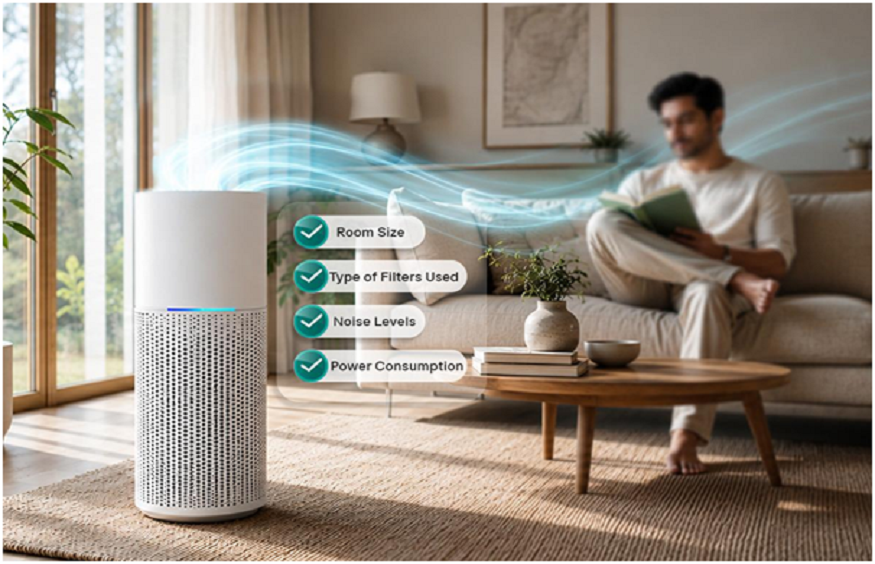
When buying an air purifier, it is important to evaluate several factors to ensure you choose the right model for your home. Indoor air can contain fine dust, smoke, pollen, pet dander, mould spores, odours, and traffic-related pollutants that enter through windows and ventilation gaps. A suitable air purifier for your home can help improve indoor air quality by filtering these contaminants. In this article, we cover the key factors you should consider before purchasing an air purifier for your home.
Why Should You Consider an Air Purifier for Your Home?
Living in an area with high levels of air pollution, including PM2.5 and PM10 particles, can contribute to short-term issues such as eye irritation, coughing, headaches, and breathing discomfort. Over time, poor air quality may also worsen asthma, allergies, lung infections, cardiovascular conditions, and weakened immunity.
Read More : What Should I Check Before Buying an Air Purifier for My Home?
It helps remove airborne pollutants, allergens, and particulate matter from indoor spaces. This can support better respiratory health, reduce allergy symptoms, and create a cleaner and more comfortable indoor environment.
Important Factors to Consider Before Buying an Air Purifier
When choosing the best air purifier for home, it is important to assess multiple factors to ensure the appliance matches your requirements. Here are some key factors to keep in mind:
Room Size and Coverage Area
Air purifiers are built to operate effectively within certain room dimensions. Before purchasing one, check whether its coverage area is suitable for the room where it will be used. For instance, an air purifier with coverage of up to 200 sq. ft. may work well for a bedroom or study room. Choosing the correct size helps the purifier clean the air more effectively.
Type of Filters Used
Air purifiers use different filters to remove various types of pollutants from indoor air. Common filtration systems include:
- Pre-filter: They are designed to capture large particles such as hair, lint, pet fur, and visible dust before the air passes through the main filter layers. This helps in reducing the strain on HEPA and carbon filters, improves overall filtration efficiency, and may help extend the lifespan of the primary filters.
- HEPA filters: Known for high-efficiency filtration, these filters can remove extremely fine airborne particles, including dust, pollen, and allergens as small as 0.3 microns. They are commonly recommended for households affected by allergies, dust sensitivity, or respiratory issues.
- Activated carbon filters: These filters help absorb smoke, odours, and volatile organic compounds (VOCs). They are useful in homes with pets, smokers, or cooking fumes.
Noise Levels
Noise levels are important, especially if the purifier will be used in bedrooms or workspaces. For bedroom use, air purifiers operating between 20 and 35 dB on lower fan settings are usually considered quiet and comfortable. Living rooms can usually accommodate slightly higher noise levels during the day. Models with multiple fan speeds and sleep modes can help reduce operational noise at night.
Power Consumption
Since air purifiers often run for long hours, energy efficiency is an important factor. Energy-efficient models can help reduce electricity usage while lowering long-term operating costs.
Maintenance and Filter Replacement Costs
Air purifiers require regular maintenance, particularly filter replacements. HEPA and activated carbon filters usually need replacement every 6 to 12 months, depending on usage and air quality conditions. Before buying, review the cost and availability of replacement filters, as this adds to the long-term ownership cost.
Read More : Enhancing Workplace Hydration: Benefits of Installing a Water Cooler in Your Office
Conclusion
Choosing the right air purifier for your home involves more than comparing brands or checking the air purifier price. Factors such as room size, filter type, noise levels, power consumption, and maintenance costs, all affect how efficiently the appliance performs over time. A purifier with a True HEPA filter, suitable room coverage, and reasonable maintenance requirements can help improve indoor air quality and support better respiratory health. By assessing your household needs carefully and avoiding common buying mistakes, you can select an air purifier that offers reliable performance and long-term value.
Your guide to finding the right contractor for concrete fencing in Boise

12 Security Tips From Professional Locksmiths To Keep Your Home And Business Safe

Improve Relationship with Your HOA Neighbors By Hiring Property Management Corona Experts
About Author
