Drain cleaning and the realities of residential maintenance
Many homeowners operate under the assumption that a drain is either working or it is not—that as long as water eventually disappears from the sink or shower, the plumbing system is performing as intended. This common oversimplification often leads people to wait for a total blockage before taking action. The reality of a healthy home drainage system is much more nuanced. Understanding the subtle indicators of pending dysfunction can prevent significant damage and help residents avoid the frustration of an emergency, middle-of-the-night plumbing failure.
Why common assumptions about drain maintenance often fail
The most frequent error in judgment regarding home plumbing is the reliance on reactive measures. Many people believe that if a drain is still moving water, it is clean. However, drainage pipes are not self-cleaning conduits; they are prone to the gradual accumulation of materials that narrow the interior diameter of the pipe over time. Whether it is mineral buildup from the local water supply, solidified soaps, or organic debris, these layers often remain invisible until they bridge the final gap in the pipe.
Another common misconception involves the use of chemical products meant to dissolve clogs. It is often assumed that these substances are a harmless, convenient way to maintain flow. While they may provide temporary relief by burning through a partial obstruction, they can also introduce potential risks to the integrity of the pipes themselves. The heat generated by many chemical reactions can stress joints and seals, while the corrosive nature of the agents may contribute to premature wear, particularly in older plumbing systems. Relying on these products as a primary method of care often masks the underlying problem rather than addressing it.
What actually matters for the long-term health of your pipes
The most effective approach to drain cleaning is rooted in prevention and understanding the mechanisms that cause blockages. A well-functioning system requires consistent, moderate maintenance rather than sporadic, aggressive intervention.
Consider the role of “upstream” habits. Most serious clogs do not originate in the main sewer line; they start at the point of entry. Small changes, such as using mesh screens in showers and sinks to capture hair and food particles, can significantly reduce the volume of debris that enters the plumbing network. Because drains typically rely on gravity and water flow to transport waste to the municipal line, anything that slows that transport—such as a rough surface inside a pipe caused by mineral deposits—increases the likelihood of a clog forming.
Read More: How to Design a Hassle-Free Pool Maintenance Routine That Fits Your Busy Schedule
It is also helpful to recognize that different types of drains require different types of attention. A kitchen drain, which frequently handles fats and oils, requires different handling than a bathroom drain, which is often affected by soap scum and hair. Identifying these specific patterns allows for more targeted maintenance. By understanding what typically flows through a specific drain, a homeowner can be more proactive about scheduling professional care before a minor slowdown becomes a major inconvenience.
How to distinguish between minor maintenance and professional needs
Distinguishing between a situation that a homeowner can manage and one that requires drain cleaning service is a key skill for any property owner. When a drain begins to show signs of distress—such as a sink that drains slightly slower than it did months earlier, or a faint, intermittent odor near a drain opening—these are rarely random occurrences. They are typically early indicators of accumulation.
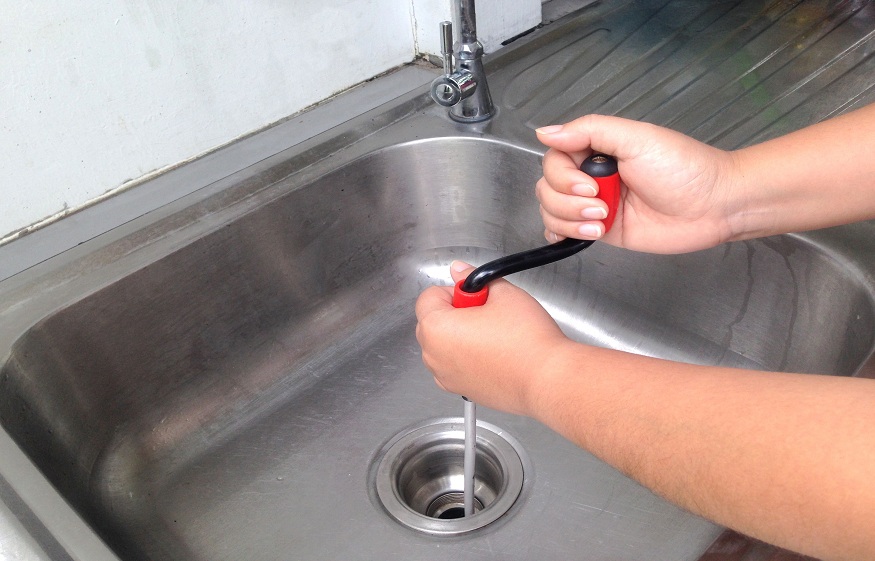
A homeowner can often handle simple maintenance by flushing lines with regular, non-corrosive techniques, such as using hot water to help keep fats from solidifying in kitchen lines. However, when multiple fixtures in a home begin to drain slowly at the same time, or when you notice a gurgling sound in one drain while using another, this typically points to a deeper issue in the main line. These symptoms suggest that the problem is not a local obstruction in a single sink trap but something more significant that requires specialized diagnostic equipment.
If you reach the point of calling a professional, the most valuable tool they bring to the table is the ability to see inside the pipes. A drain cleaning service provider who uses camera inspection equipment provides more than just a quick fix; they provide clarity. By viewing the interior of the lines, you can determine if the issue is a simple soft obstruction or a more complex structural problem, such as a root intrusion or a misaligned pipe section. This information changes the entire approach from guessing to informed decision-making.
Reframing your approach to residential drainage systems
It is time to move away from the mindset that drain maintenance is an emergency response task. Instead, think of your home’s drainage system as an infrastructure that requires periodic health checks, much like any other critical utility.
Read More: Why the Future of Branding Lives in Physical Spaces
When you seek professional assistance, prioritize providers who emphasize diagnostic transparency. A thorough professional will explain what they are doing, why they are recommending a specific technique, and how you can maintain the results of their work. They should be able to show you the state of your pipes and explain the trade-offs between different methods, such as mechanical cleaning versus other forms of obstruction removal.
Ultimately, the goal of proactive drain cleaning is to create a reliable system that allows you to carry on with your daily life without concern for your plumbing. By shifting your focus from “fixing breaks” to “maintaining flow,” you can ensure that your home remains comfortable and functional. If you find yourself frequently reaching for tools or chemicals to keep your drains moving, it is likely an indicator that the system has reached capacity and could benefit from a professional assessment. Addressing these concerns when they are minor is the most effective way to protect your home and preserve the longevity of your plumbing network.

Gutter & Eavestrough Cleaning Mistakes to Avoid

Why Hire and How Commercial Carpet Cleaners Can Benefit Your Business?

Clear Signs Your Property Needs Pest Inspection
About Author
